Clinic Information, Appointment Fees & Availability - view here
Private health insurance accepted – view approved providers & booking information
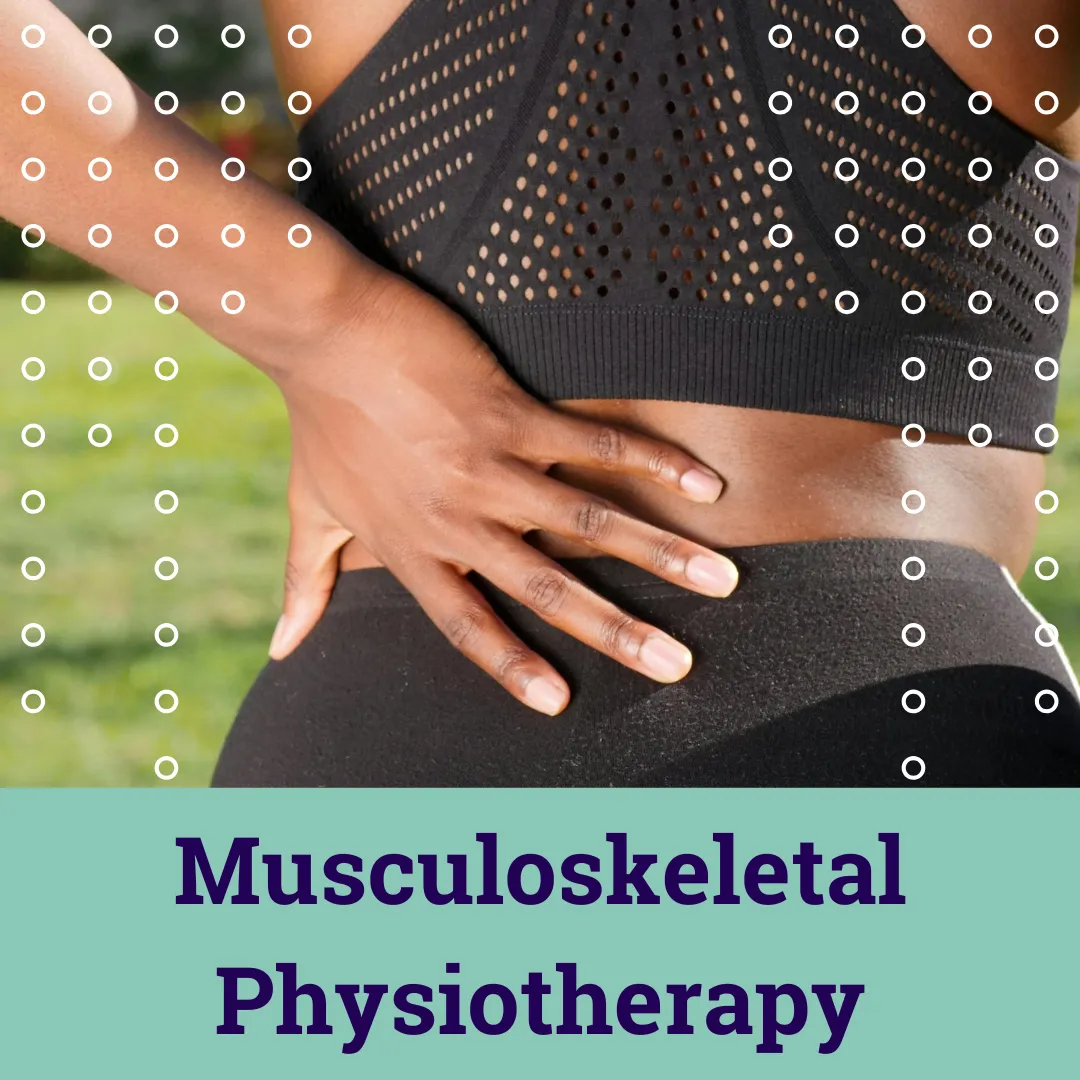
Musculoskeletal (MSK) physiotherapy for women focuses on assessing and treating joint, muscle, tendon and movement-related pain.
Alongside pelvic health physiotherapy, I also support women with a range of musculoskeletal concerns, such as, back pain, hip pain, shoulder pain and return to exercise rehabilitation.
Who this is for
MSK physiotherapy may be suitable for women experiencing:
Back or neck pain
Shoulder, elbow or wrist pain
Hip, knee or ankle pain
Exercise or gym-related injuries
Running-related pain or overload
Pregnancy-related musculoskeletal pain
Postpartum aches and movement difficulties
Ongoing stiffness, weakness or reduced mobility
Persistent or recurrent pain affecting daily life
Difficulty returning to exercise or activity
Many musculoskeletal concerns can overlap with pelvic health, pregnancy and postpartum recovery.
How physiotherapy can help
Physiotherapy aims to understand the underlying contributors to your symptoms and support your recovery through personalised rehabilitation.
Treatment is individualised and may include:
Education and advice
Personalised rehabilitation exercises
Strength and mobility work
Movement retraining
Activity and load management
Return to exercise guidance
Self-management strategies
Women’s Health & MSK Physiotherapy
Musculoskeletal symptoms in women can sometimes be influenced by:
Pregnancy and postpartum recovery
Pelvic floor function
Core and pressure management
Hormonal changes
Activity levels and exercise history
Persistent pain patterns
My background in women’s pelvic health physiotherapy allows me to consider the wider picture when assessing and treating musculoskeletal concerns.
Please note that MSK and pelvic health concerns are usually assessed separately to ensure each area receives a focused and thorough assessment.
When to seek support
You may benefit from physiotherapy if:
Pain is limiting your daily activities
Symptoms are affecting work, exercise or sleep
Symptoms are not improving as expected
You feel unsure how to return to exercise safely
Pain keeps recurring
You feel weaker, stiffer or less confident with movement
You would like professional guidance and reassurance
Early support can often help improve confidence, movement and recovery.